
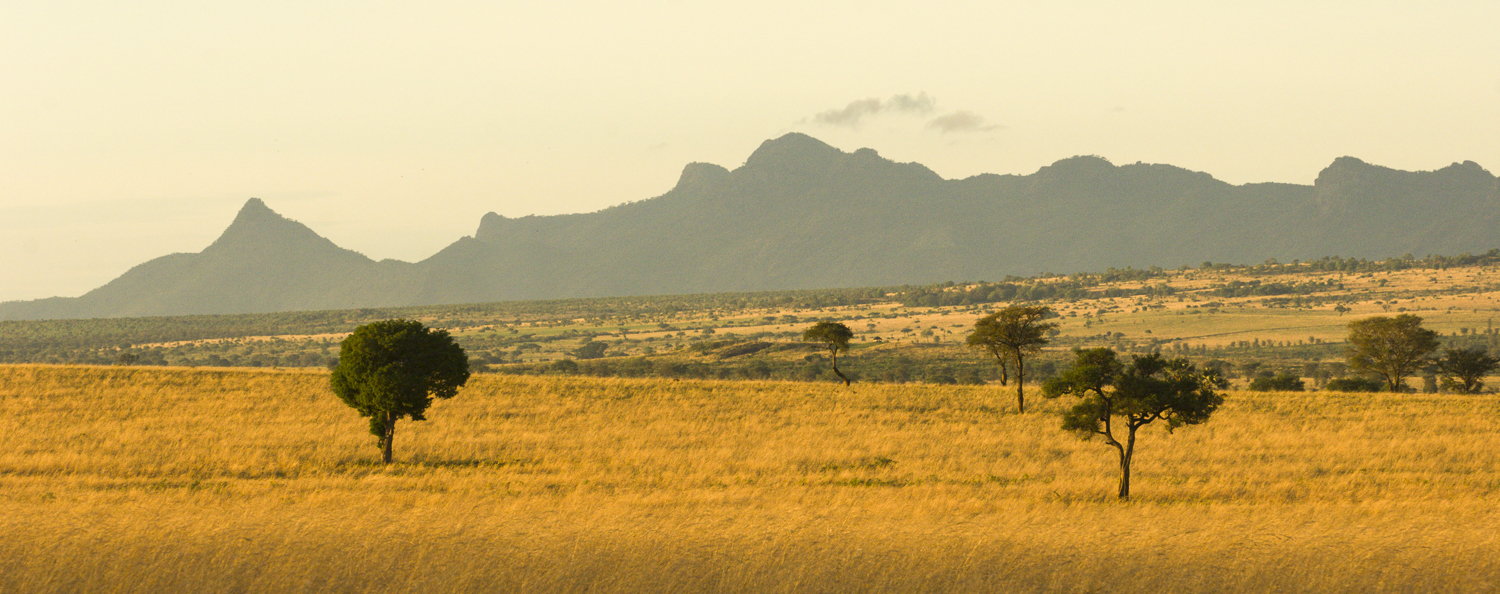
In February 2026, Jenni Saunders travelled overland to Bwindi, Queen Elizabeth National Park, Semliki, Murchison Falls and Kidepo (above) and was reminded just how much Uganda has to offer — and it’s not just about gorillas.
Flying into Entebbe after an easy 4.5-hour direct flight from Johannesburg, we seemed to glide over Lake Victoria for ages. This vast expanse of water—dotted with islands and tiny dugout canoes—stretches endlessly in every direction, offering a spectacular introduction to Uganda.
We spent our first night at Boma Lodge in Entebbe, just a 10-minute drive from the airport. This relaxed, homely lodge has 18 rooms and a lively atmosphere, with overland vehicles and NGO cruisers often parked outside—giving it the feel of a true travel hub. Staying close to the airport is essential, as departures to Bwindi are very early. Nearby, No.5 Boutique Hotel offers a slightly more upmarket option, though both are equally relaxed and welcoming.
A travel tip. wear flip-flops or easy-to-remove shoes, as you’ll need to take them off multiple times during airport security checks. The flight itself is extraordinary—starting low over Lake Victoria before climbing over rolling foothills, endlessly terraced in brilliant green. As the landscape rises into mountains, clouds gather below, forming what feels like a vast white ocean.
Landing in Kisoro, we were met and driven to Clouds Mountain Gorilla Lodge, with the Virunga volcanoes providing a dramatic backdrop. The drive—longer than usual due to wet conditions—took over three hours, but was a highlight in itself. Under normal circumstances, it’s closer to 1.5 to 2 hours. A packed breakfast is highly recommended to enjoy along the way.
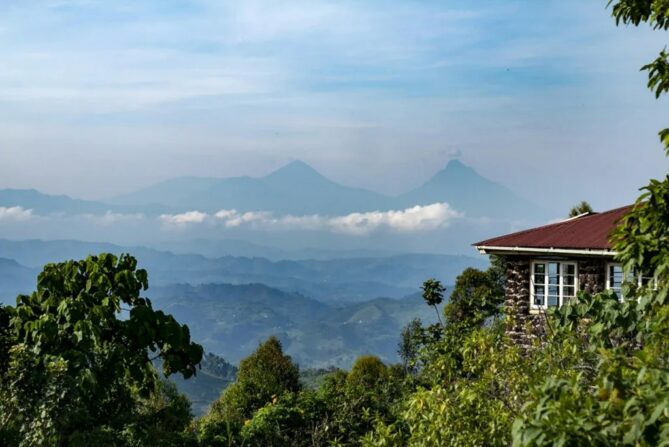

Clouds Mountain Gorilla Lodge is an intimate, eco-friendly lodge built from local stone, with a warm, mountain-chalet feel. Perched high on a ridge in the Nkuringo sector of Bwindi Impenetrable Forest, it offers sweeping views of forest and volcanoes. The lodge has just 7–8 spacious cottages, each with a fireplace and private lounge.
Most gorilla treks from Clouds are conducted in the Rushaga sector, about a 45-minute drive away. While treks can start directly from the lodge, this is not ideal in wet weather due to the steep descent into the forest. Rushaga is home to the highest number of gorilla families—currently eight—and is also where the Gorilla Habituation Experience takes place. This extended trek allows up to four hours with the gorillas and is a fantastic option for those not planning multiple treks.
Trekking overview:
- Rushaga (South): Best for high success rates and the Gorilla Habituation Experience
- Nkuringo (South): Steep and challenging, ideal for fit hikers
- Buhoma (North): Gentler terrain, perfect for first-time trekkers
- Ruhija (East): Moderate hikes with excellent birding and views
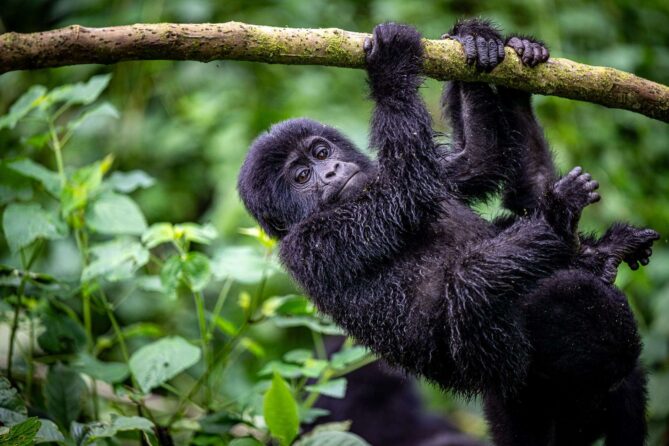
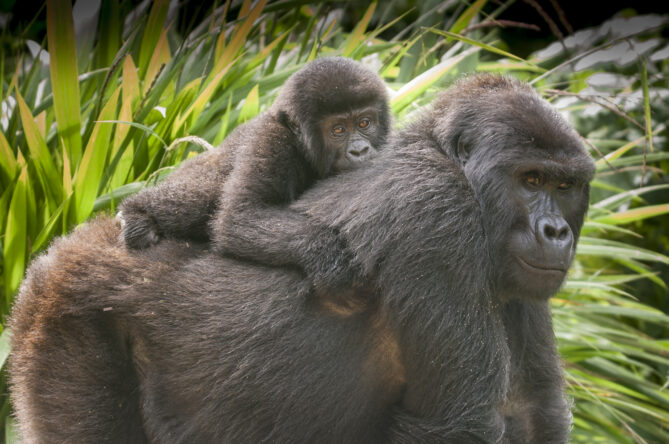
We trekked in Rushaga and, after a short briefing, reached a gorilla family within an hour. Spending time with them was nothing short of extraordinary. They fed, and the little ones played just a metre from where we stood.
Travel tip Hiring a porter is highly recommended—especially in muddy conditions—as they provide invaluable support and help carry bags or camera gear. Be sure to bring small denominations for tips.
One of the true highlights of the trip was the forest walk between Nkuringo and Buhoma—a 3 to 4-hour journey through dense, ancient forest. Porters carried our luggage while we walked at a relaxed pace, stopping for lunch along the way. Colobus monkeys, giant tree ferns, and clouds of butterflies made this an unforgettable experience. It’s a must-do, as the gorilla trek often allows only limited time within this magical forest.
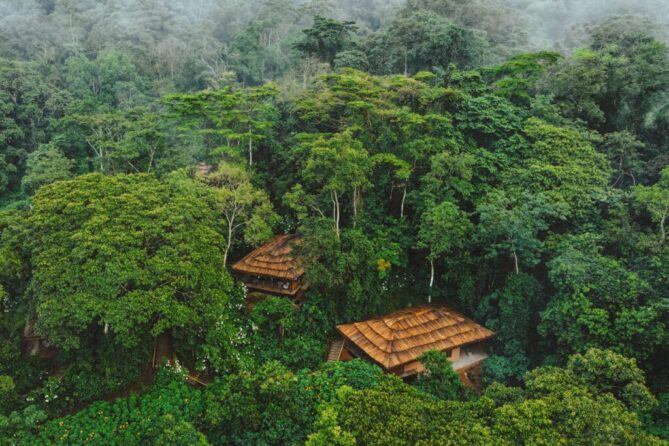
In Buhoma, Sanctuary Gorilla Forest Camp is a standout option. Recently renovated, it offers luxurious accommodation right at the forest edge—ideal for guests wanting minimal travel to trekking start points. Other excellent lodges in the area include Bwindi Lodge and Mahogany Springs.

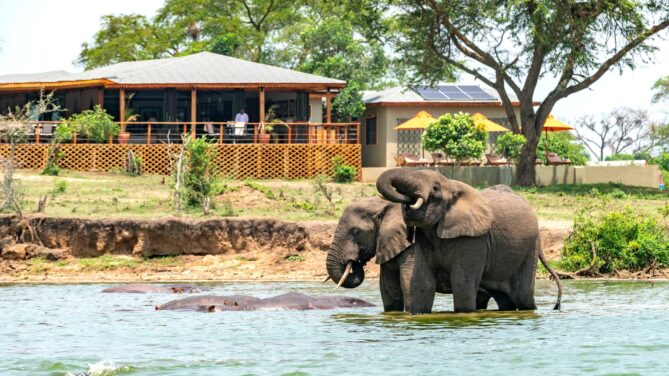
The journey onward to Queen Elizabeth National Park is long and, at times, bumpy—ours took around seven hours in heavy rain. The reward, however, is immense. Arriving at The River Station by boat along the Kazinga Channel was a highlight, with hippos and elephants lining the banks.
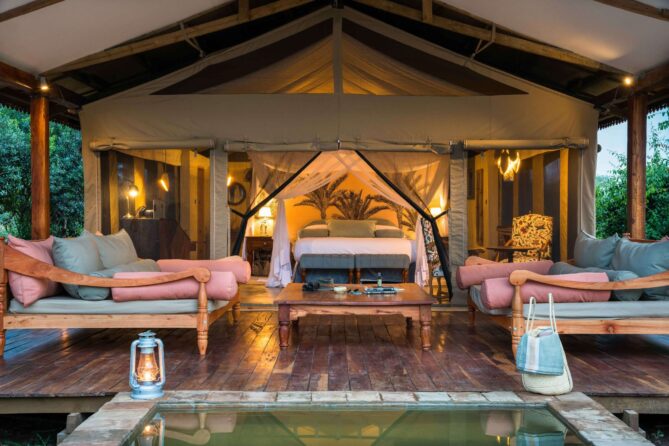
River Station enjoys a spectacular position overlooking the channel, with wildlife constantly visible along the water’s edge. This intimate, luxury lodge is complemented by Honey Bear Camp—a smaller sister camp nearby, offering a simpler, more immersive experience closer to nature. Set within a private reserve, these properties offer rare exclusivity—we didn’t see another vehicle during our stay.
Game drives here are exceptional, and beyond the wildlife, the diverse landscapes and complete privacy are what we loved most. Highlights included views over Kyambura Gorge—its massive trees and winding river creating a dramatic scene—and the nearby crater lakes, where we encountered buffalo, elephants, and prolific birdlife.
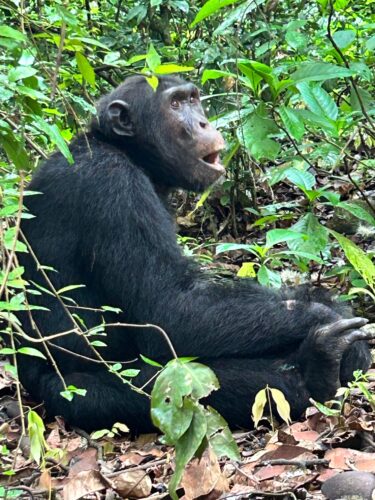
Chimp tracking in Kyambura Gorge was a major highlight for us all. Walking through the forest along the river, we soon heard the excited calls of chimpanzees overhead. Within an hour, we were surrounded by a large family, eventually observing them at incredibly close range—an unforgettable encounter. Many travellers do their chimp trekking in Kibale Forest, but we felt Kyambura was far less busy and more natural.
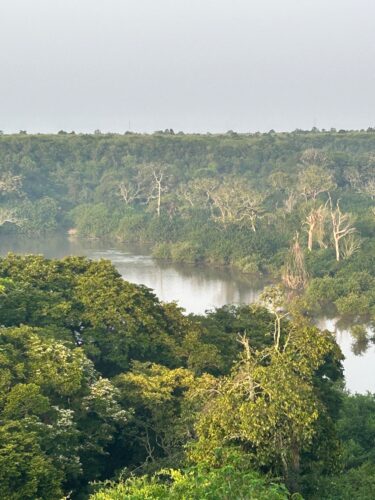
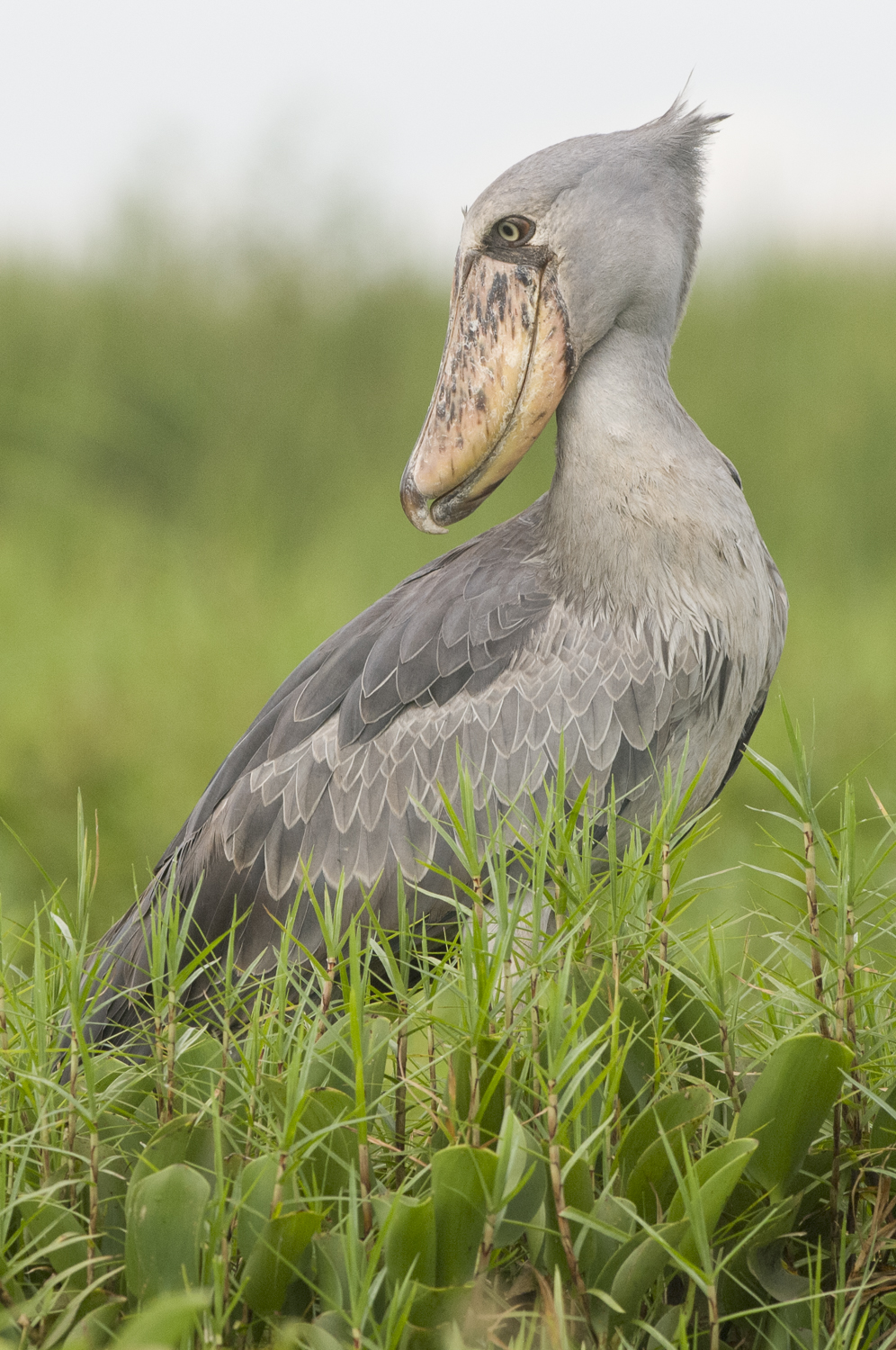
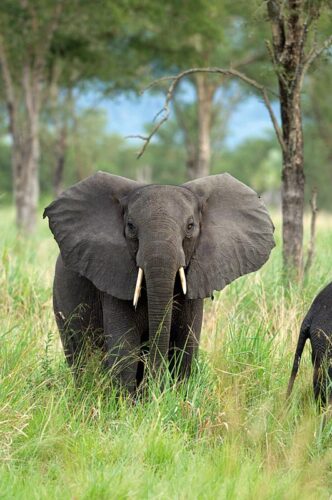
Onwards to Semliki, bordering the Congo and home to Central African species of birds and mammals—including the forest elephant. Framed by the foothills of the Rwenzori Mountains, Lake Albert, and the Western Rift Valley escarpment, the reserve benefits from natural geographic barriers that create a haven for wildlife. Semliki Safari Lodge is one of the few lodges in the reserve. With over 400 bird species—including rare Central African varieties—and the elusive shoebill found along Lake Albert, it’s a paradise for birders. We especially loved visiting the lakeside villages and taking a boat trip in search of these remarkable birds. The lodge was a firm favourite for all of us.
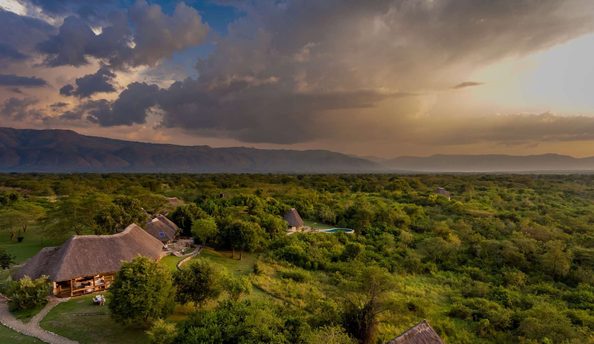
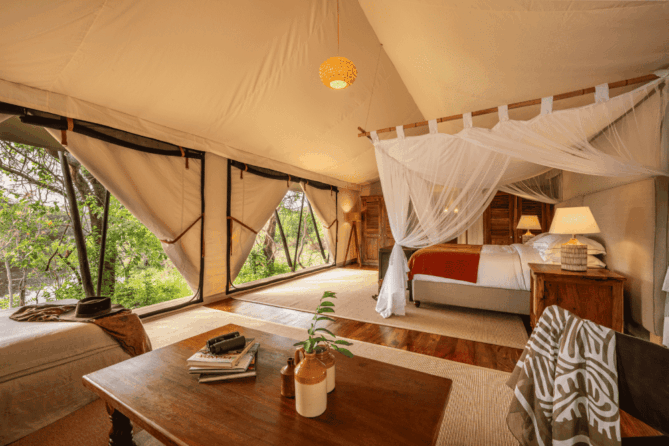
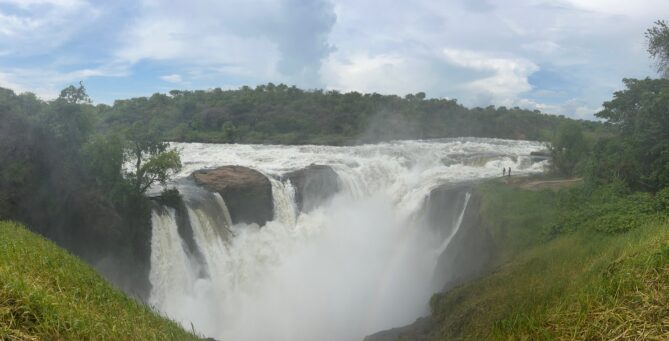
Further north, Murchison Falls National Park offers a more classic safari experience. Papa’s Camp, set along the south bank of the Nile beneath shady fig trees, captures the spirit of old-world safari. Wildlife is abundant—especially Uganda kob—with regular sightings of lion, buffalo, giraffe, and numerous antelope species. The drive to the top of Murchison Falls is both scenic and rewarding, showcasing the raw power of the Nile as it forces its way through a narrow gorge. We also stayed at the brand-new Kulu Ora Camp, which offers a more luxurious and exclusive experience, far from other vehicles.
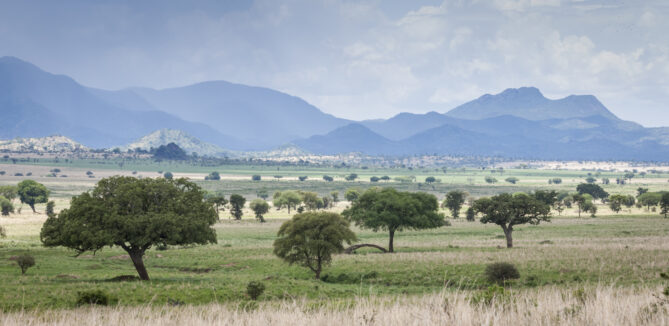
For those seeking something truly remote, Kidepo Valley National Park is Uganda at its wildest. Reached after a long journey, the landscape opens dramatically into a vast valley framed by mountains and dotted with granite outcrops. After recent rains, the area was lush and green, adding to its already striking beauty.
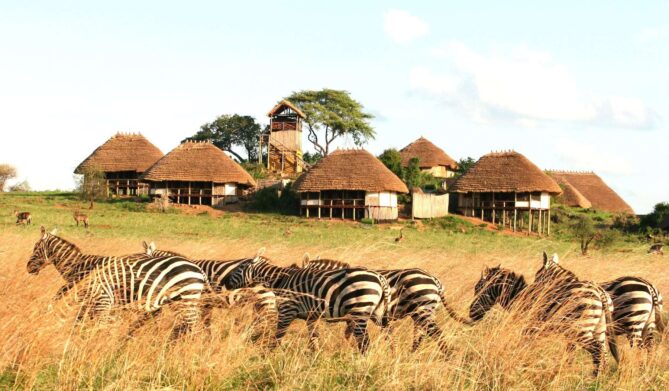
Kidepo is home to species not commonly found elsewhere in Uganda, including eland, zebra, cheetah, kudu, and Nubian giraffe. A rhino reintroduction programme is also underway. The sheer scale of wildlife here is remarkable—particularly the enormous buffalo herds, sometimes numbering in the thousands.
Uganda offers a true adventure— the country deserves a lengthy visit – beyond tracking for gorillas. Its wild, it has almost no crowds, it is safe, it’s people are gentle and warm, and you will be amazed at the forests and landscapes.


