By David Rogers
I felt an immediate sense of peace upon arriving in the Bumbusi region of northern Hwange National Park—a remote, sacred landscape where nature and human history are deeply intertwined. This area has been inhabited and revered for thousands of years, attracting wildlife and early settlers alike, drawn by the sheltering sandstone cliffs and the clear streams that nurtured fertile plains,


This sanctuary, alive with biodiversity, has long been a place of refuge. The San people, though transient, left their mark—etching hoofprints and arrow symbols into the cave walls, creating maps for future generations of hunters. Later, the Nambya arrived from the south, settling in this lush environment. Using the local sandstone, they constructed complex dwellings that once supported a thriving community of up to 600 people.
The remains of their civilization endure: stone seats reserved for tribal elders, carvings of the traditional game Tsoro still played today, and towering Baobab trees planted near homes—symbols of endurance and wisdom. Now preserved as a national heritage site, the Bumbusi National Monument offers a rare window into Zimbabwe’s rich cultural legacy.
Just a short distance from the ruins is Hideaways Bumbusi Wilderness Camp. Originally built in the 1970s for park rangers, it has been thoughtfully restored and now offers an intimate retreat. Thick, metre deep stone walls and wide verandas open onto a waterhole frequented by elephants. Towering Ebony trees provide shade, drawing an ever-changing cast of birds and mammals to the camp’s edge.
For three days, Bumbusi was our base—a tranquil hideaway with warm hospitality, excellent cuisine, and a quiet elegance. Our guide, Blessing, lived up to his name. Passionate and highly knowledgeable, he brought the bush to life with his energy and insight.
One evening, as dinner was being served, Blessing appeared with quiet urgency:
’Come quickly—hyenas are on a kill.’
We abandoned our starters and watched in awe as a lone hyena claimed its prize. Minutes after we returned to our meal, he reappeared.
’There’s a leopard now,’ he whispered.
We followed him again to witness a male leopard lamenting the theft of its dinner.
Wildlife was never far from camp. We spotted elephants and lions with cubs quenching their thirst in the rivers. Remarkably, we didn’t encounter another vehicle during our stay—an increasingly rare privilege in African safaris that made the experience feel all the more exclusive.
We followed sandy tracks along the Bumbusi and Deka Rivers reaching Hideaways Nantwich Lodge, another 1970s-era outpost steeped in local lore. The camp pays tribute to its history with stone-walls and memorabilia, including a photograph of Percy Durban Crewe, the original owner, sharing drinks with his neighbour Herbert Robins. After Percy’s death, his family took on the challenge of cattle farming in the wild, but later donated Nantwich to Zimbabwe Parks and Wildlife.


As we watched wildlife at the Nantwich waterhole, I learnt that this same veranda inspired Australian author Tony Park, who penned many of his African novels here—stories rich with themes of romance, poaching, and wild landscapes. Today, the area remains a magnet for wildlife, particularly in the dry season, and features a sunken photographic hide for close-up encounters.
While exploring the Northern Hwange region, we were rewarded with stunning leopard and lion sightings—capped off by sundowners beside the serene Crocodile Pools.
Crossing into Botswana via the Pandamatenga Border Post felt symbolic. The same official who stamped our passports also lifted the boom gate. Just like that, we were across Panamatenga, a farming region bordering wild lands, marks the gateway to Kazuma—a crucial conservation corridor linking Zimbabwe, Namibia, Zambia, and Angola, known as the KAZA TFCA. It plays a vital role in transboundary wildlife migration, especially for elephants.


We arrived at Hideaways Camp Kuzuma via the historic Hunter’s Road—so named, though hunting is now firmly in the past. The camp’s wooden deck overlooked a waterhole designed for elephant viewing, and we enjoyed a classic armchair safari—cold beer in hand as the giants approached to drink.
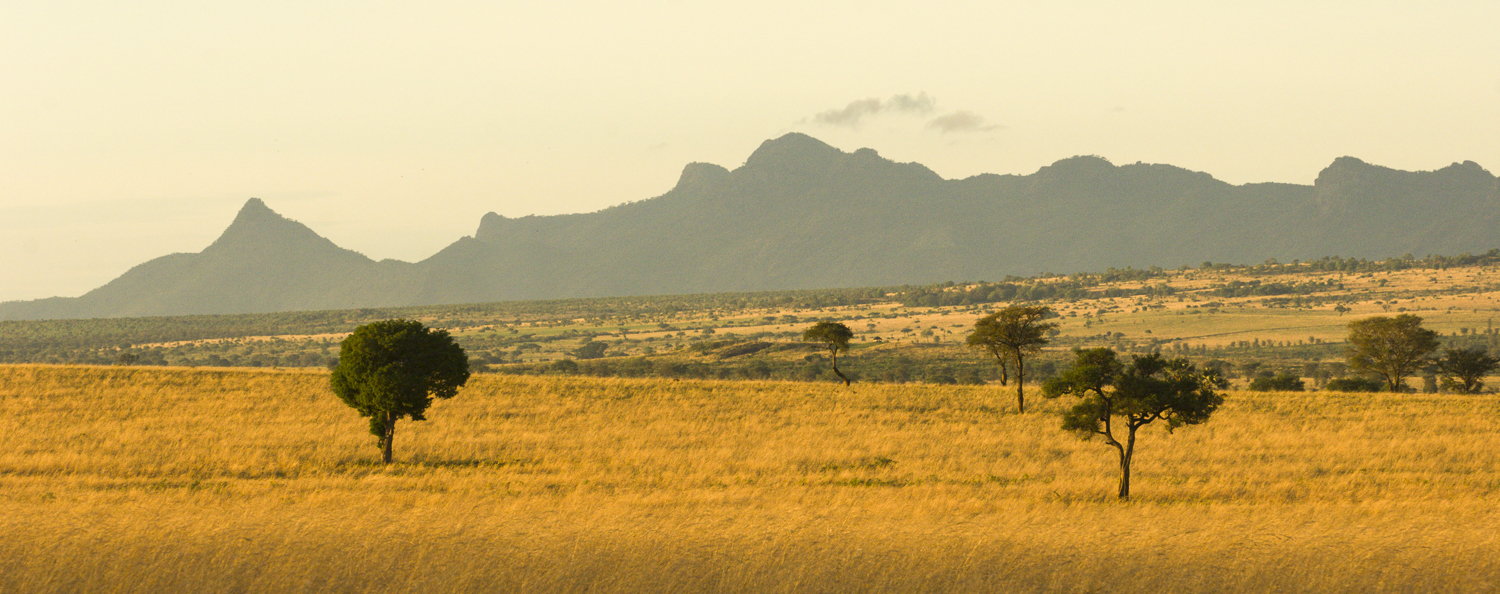
At dawn, we ventured out across the Seloko Plains. Giraffes moved through the golden grass, impalas darted among the bushes, and desert-adapted species like roan antelope, Kori bustards, and secretary birds made fleeting appearances. In the distance, elephants moved across the plains.
Perhaps they came from Chobe, Botswana, or Zimbabwe. But out there, on ancient ground shaped by centuries of movement and survival, the exact origin didn’t matter. The elephants fed, mated, and roamed as they had for millennia—long before the San, the Nambya, or colonial settlers ever arrived.