By David Rogers
Ethiopia has long been on my bucket list. In February 2026, I joined Graeme Lemon and a group of eight on what proved to be the trip of a lifetime.
Addis Ababa
At first glance, Addis felt as modern as Dubai, with gleaming high-rise buildings and immaculate streets. The name means “New Flower,” and the city serves as headquarters of the African Union. Flags lined the avenues in preparation for visiting dignitaries, and there was a sense of pride and order everywhere.
We visited the excellent National Museum, home to Lucy — the 3.2-million-year-old hominid fossil that reshaped our understanding of human origins. Seeing her tiny frame in person was unexpectedly moving and a reminder that Ethiopia is one of the birthplaces of humanity.
Simien Mountains

Gondar and the Simien Mountains
From Addis we flew to Gondar in the Amhara Region, our gateway to the Simien Mountains. Rising to 4,550 meters, these are Ethiopia’s highest peaks. Sheer cliffs plunge up to 1,500 meters into vast valleys, the escarpments layered in blue-grey haze, these are one of Africa’s most dramatic landscapes..
We stayed at roughly 3,300 meters in what claimed to be Africa’s highest lodge — comfortable rooms, wood-burning stoves, and bracingly cold nights. We had come primarily for gelada monkeys, and within a kilometre of the lodge we were surrounded by them. These extraordinary primates are the only monkeys that feed almost entirely on grass. During the day they graze peacefully; at night they retreat to precipitous cliffs for protection from predators such as leopards. Watching the family groups emerge at dawn, sitting upright to warm themselves in the rising sun, was unforgettable.
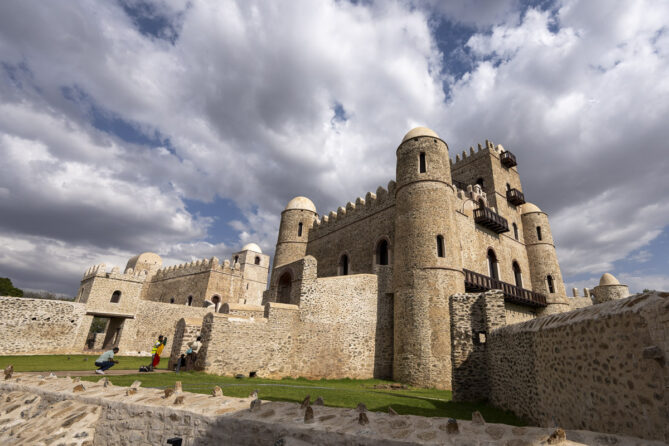
Gondar served as Ethiopia’s capital from 1636 until the mid-19th century. Its Fasil Ghebbi fortress complex — a 17th-century royal compound of castles and palaces — reflects a unique blend of Ethiopian, Portuguese and Indian influences. Restored after centuries of decay and war (it was here that Italian forces were defeated in 1943 by combined British and Ethiopian troops) its arched halls and manicured gardens evokes imperial grandeur.
Lalibela
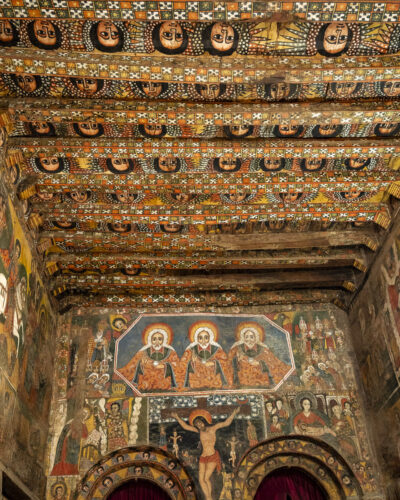
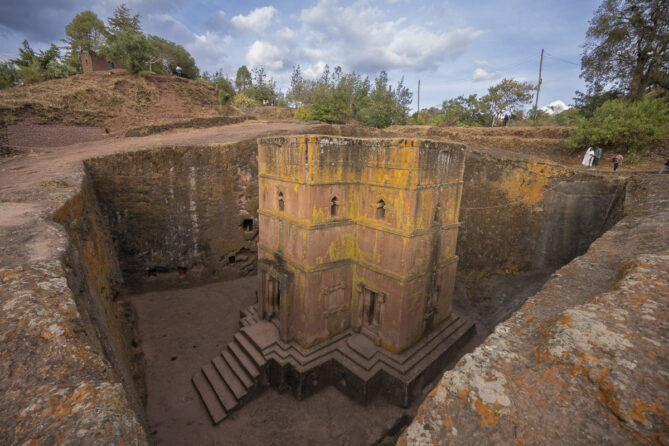
Next came Lalibela, famed for its 11 monolithic rock-hewn churches dating to the 12th and 13th centuries. Often described as a “New Jerusalem,” the churches are carved directly from solid rock and connected by narrow passageways and tunnels. The most spectacular is Bete Giyorgis (St George’s Church), hewn in a perfect cruciform shape.
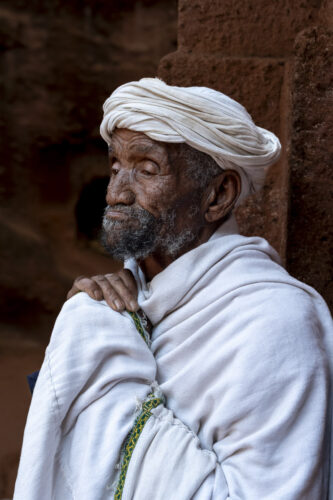
At every church, worshippers were deep in prayer. The atmosphere was reverent and humbling; to witness ceremonies in spaces carved by hand nearly 900 years ago felt profoundly intimate. Lalibela’s spiritual energy is palpable. The kindness of the people there touched us deeply, particularly when our guide, Sifui, invited us to his home for lunch — a moment of warmth and generosity we will long remember.

Bale Mountains
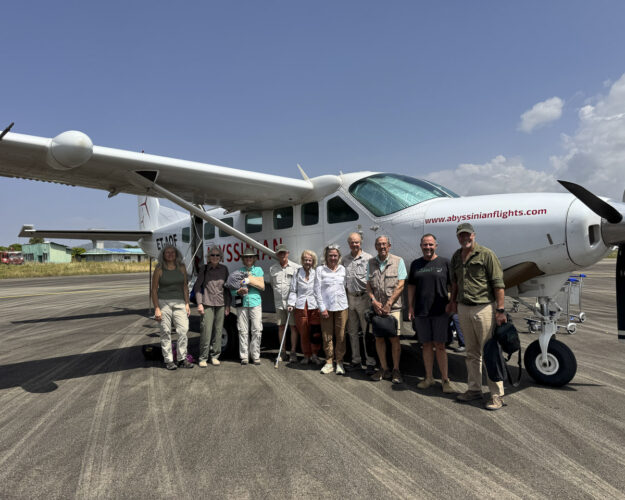
After returning briefly to Addis, we chartered a flight to Robe and drove into the Bale Mountains, an ancient volcanic range in southeastern Ethiopia. At 4,377 meters, Tullu Dimtu is the country’s second-highest peak. The region contains Africa’s largest Afro-alpine habitat and remarkable biodiversity.
We were there to see Ethiopian wolves — long-limbed, copper-coated canids found nowhere else on Earth. With only about 400 remaining, they are among Africa’s most endangered predators. Despite this, we enjoyed superb sightings. Our guide, Uil, took us out at dawn and dusk to observe adults near their dens, though it was too early in the season for pups to emerge.
Bale is home to more than 80 endemic species, many of them rodents that form the wolves’ primary diet. We watched them pop up across the high plateau like living periscopes. Birdlife was equally spectacular: golden and steppe eagles, augur buzzards, pallid harriers, blue-winged geese and more.
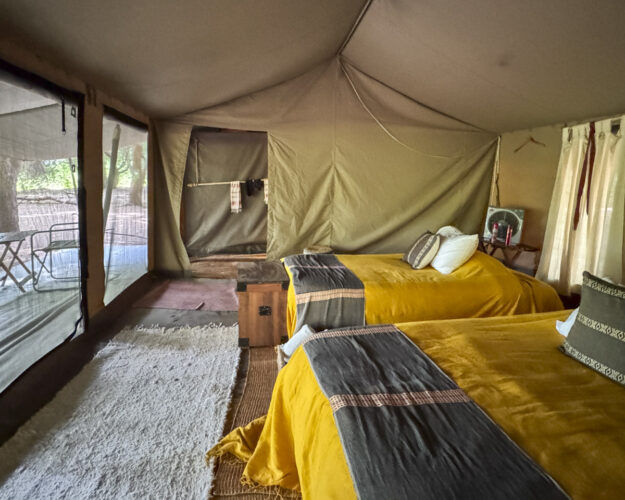
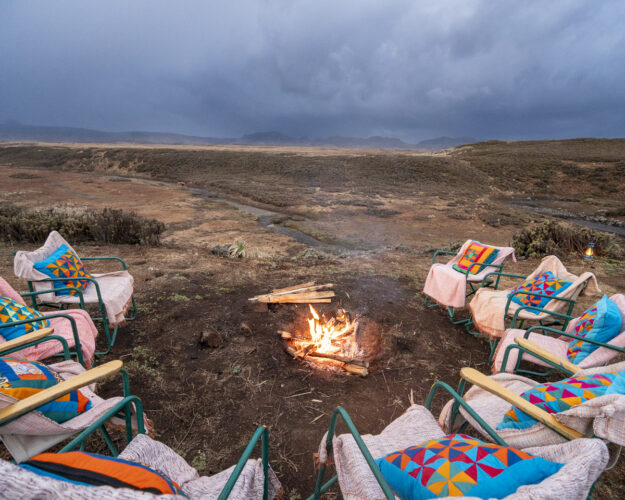
We camped in dome tents at over 4,000 meters overlooking the Web River. Frost coated the ground most mornings, and the icy walk to the loo made me regret not packing long johns. Hot bucket showers were available — but only tolerable at midday.
Omo Valley
From freezing alpine nights we descended to sweltering heat. A flight to Jinka and a mountain drive brought us to the Omo River Valley at roughly 450 meters above sea level, where temperatures hovered near 40 degrees.
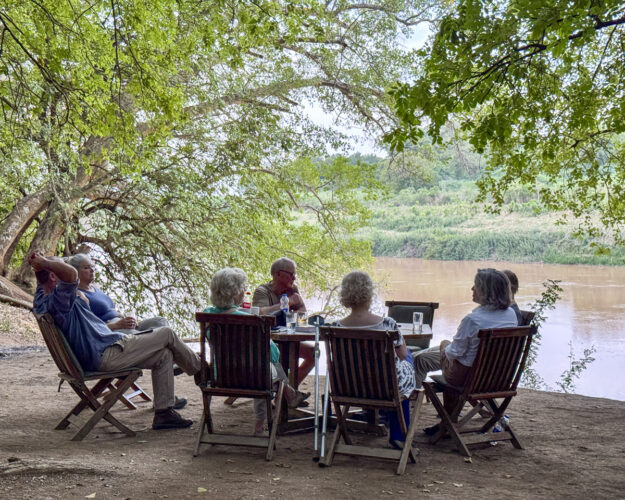
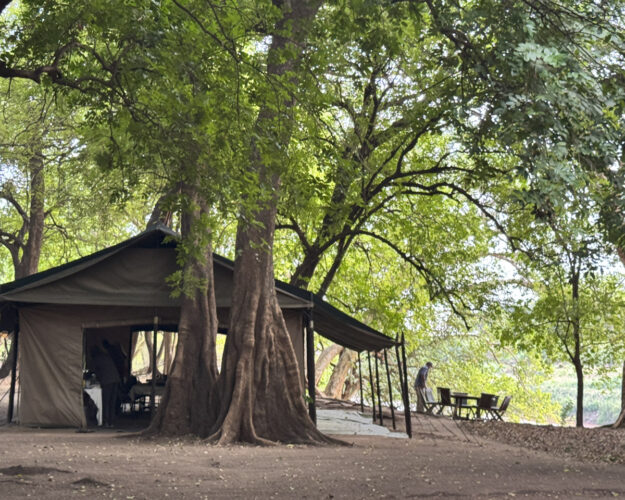
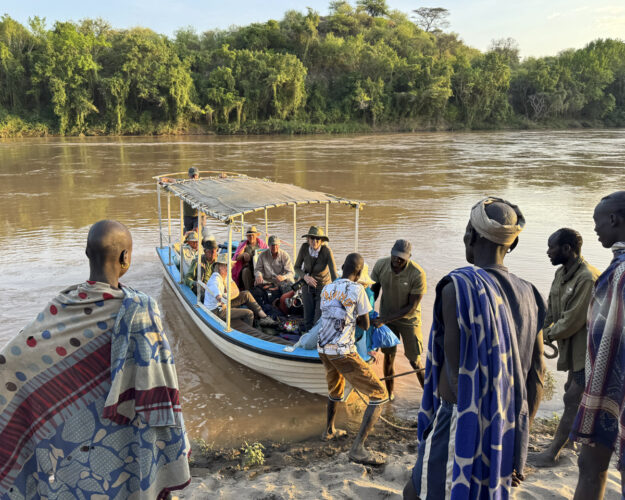
The Omo Valley drains into Lake Turkana in Kenya and is home to distinct cultural groups, many still living traditionally. Graeme has pioneered tourism here for more than 16 years and established Chen Camp deep in Mursi territory, accessible only by river. After two hours boating past settlements and national park wilderness, we arrived at a narrow beach shaded by trees with simple Meru tents.
“This is their camp; we must treat them with respect,” Graeme reminded us. Armed men sat by the fire; others bathed in the river. We were advised to greet everyone with “achali” and to refer concerns to Bardoli, a local man adopted by missionaries who studied in the United States before returning home to manage the camp.
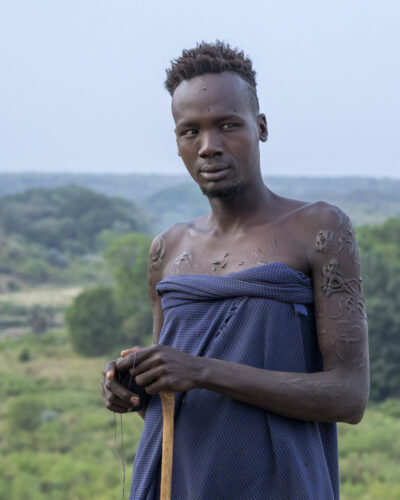
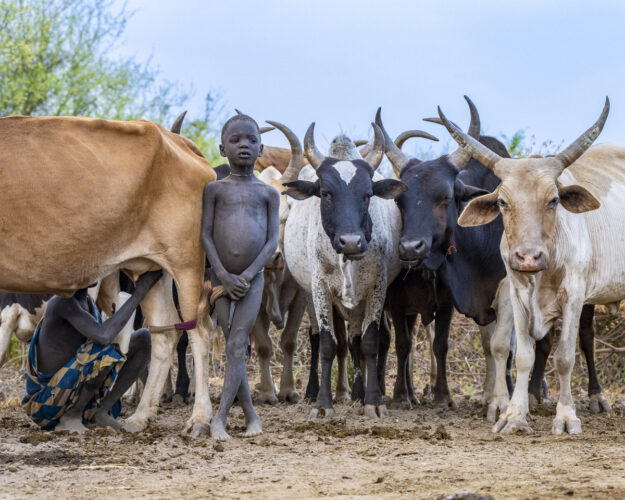
The Mursi are agro-pastoralists known for lip plates worn by some women. We observed this tradition with mixed emotions, noting that younger girls seem less inclined to follow it. Scarification and face painting remain common. A visit to temporary villages allowed us to watch women grinding corn and young boys tending cattle at first light — a photographer’s dream.
For three days we saw no other vehicles or travellers. On evening boat trips along the national park boundary we spotted fish eagles, kingfishers and even a solitary Pel’s fishing owl. Baboons sounded alarm calls at night as leopards prowled nearby. Lions are present too, though in reduced numbers.
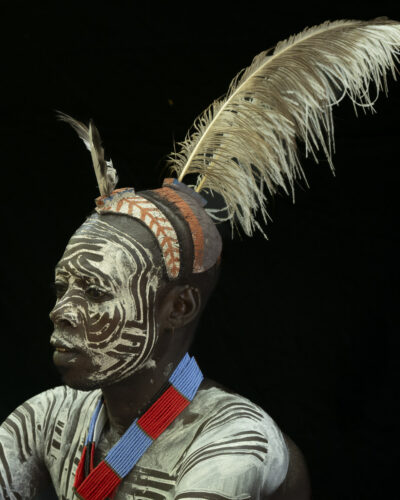
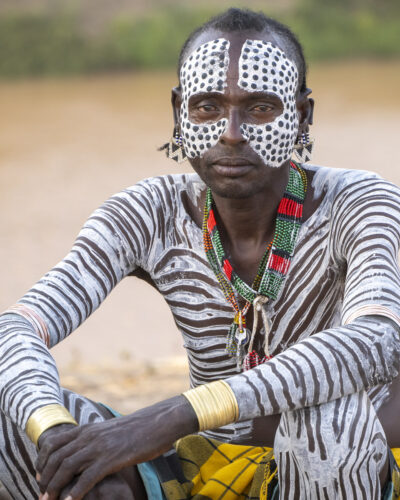
From Chen Camp we travelled south to Lale’s Camp, more established and accessible by road. Here we met the Kara people, a small Nilotic group known for elaborate body adornment using ochre, ash and charcoal. A face-painting and dance gathering was arranged in exchange for food gifts; more than a hundred villagers joined, dancing exuberantly well into the night.
We also visited a Hamer village. Cattle herders by tradition, they are recognised for intricate ochre-coated hairstyles, leather garments decorated with cowries, and the dramatic bull-jumping initiation ceremony. Senior wives wear heavy metal necklaces resembling large bolts — powerful symbols of status.

Omo Delta
Our final night was the Omo Delta, where the river spills into Lake Turkana. By fortunate timing, our visit coincided with the Dimi initiation ceremony of the Dassanech people. We were granted permission to attend.
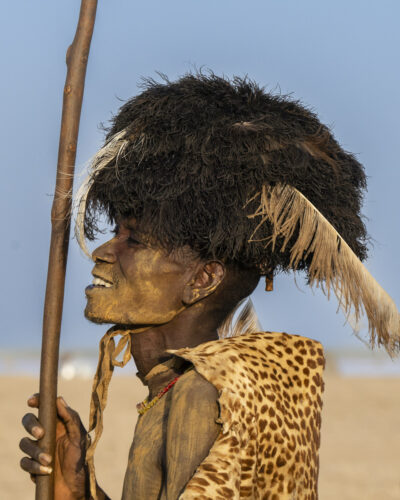
Fathers wore ostrich-feather headdresses and leopard skins; mothers draped themselves in colobus monkey pelts. Moving from house to house, the procession gathered momentum before dancing before village elders. Eventually an elder rose to bless the parents. The ritual continues for weeks, culminating in feasting and blessings for marriageable daughters. It felt like stepping into an ancient rhythm of life.

Practical Notes
Ethiopia follows a 13-month calendar and is seven years behind the Gregorian system. Its 12-hour clock begins at sunrise. The country was never formally colonised, having defeated Italy at the Battle of Adwa in 1896, though it endured a brief occupation from 1936 to 1941.
Clothing must accommodate extremes — from below freezing to over 40°C. Layers are essential; women should carry head coverings for church visits, and slip-on shoes are practical. Coffee ceremonies are elaborate and beautiful, with beans roasted fresh and brewed in a clay jebena as frankincense burns nearby. Injera — the fermented teff flatbread — accompanies most meals, along with dishes such as doro wat.
Accommodation on our trip varied from 5-star international hotels to simple tented camps with bucket showers.
Ethiopian Airlines provides excellent connectivity and discounts on domestic sectors when booked internationally. Travelling in Land Cruisers ensured comfort on rough roads.
Security issues have affected certain regions in recent years, particularly along the Eritrea border, so travelling with an informed operator is wise. We always felt safe. One unexpected inconvenience: binoculars must be registered and inspected at checkpoints — a cumbersome process unless you are a dedicated birder.
Ethiopia is not an easy, polished safari destination. It is layered, ancient, spiritual and raw. And that is precisely why it lingers so powerfully in the memory.